
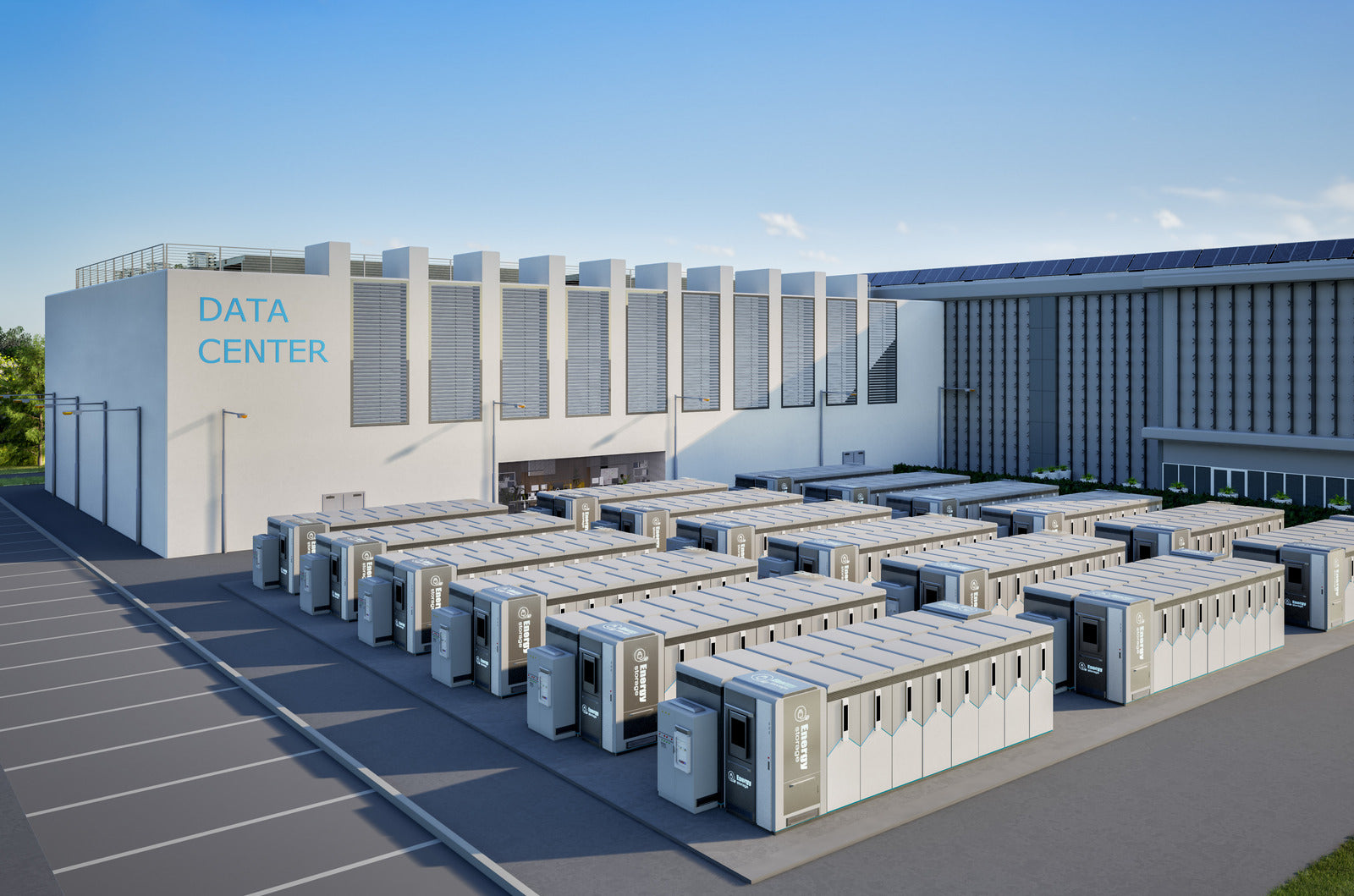
This blog post explores how battery storage systems provide essential energy resilience for Australian homes and businesses during power outages. It highlights the transition from being a passive grid consumer to achieving true energy independence through smart integration, high-performance lithium-ion technology, and strategic backup planning.
Here are the topics we cover:
- Safeguarding properties against volatile grid failures.
- Achieving home energy independence and peak shaving.
- Protecting businesses from operational downtime and loss.
- Maximizing savings through smart solar-battery integration.
When the weather gets volatile and electrical grids age to the point of weakening functionality, you need to think seriously about energy security. Smart energy storage systems provide a much-needed decentralised energy model, which means that ordinary people no longer have to be passive consumers at the mercy of the main grid.
Battery storage in Australia helps you safeguard your homes and businesses against the unexpected. BESS Australia has all you need to know, so let’s dive in!
When the Lights Go Out: The Wisdom Behind Off-Grid Battery Storage
A power outage a few decades ago may have been manageable, but today, it is a major inconvenience since almost every aspect of our lives depends on electricity. It can cause a total halt to productivity, comfort and safety.
When the grid fails, standard solar systems without backup capabilities automatically shut down, leaving you in the dark despite having panels on your roof. Smart energy storage systems capture solar energy for later use, helping you to remain self-sufficient when others are panicking.
Benefits of Battery Storage in Australia for Home Blackouts
Think about the continuity of daily life. That is the biggest benefit of home battery storage systems. During a blackout, your battery ensures that refrigeration stays active, medical devices and temperature control remain powered and digital connectivity and security systems stay online. Beyond basic survival, it maintains the lifestyle standards we expect by acting as a buffer between your home and a fluctuating grid.
How Can Battery Storage Systems Make My Home Energy-Independent in Australia?
True energy independence is achieved when you can generate, store and consume your own power. It carries enormous benefits, such as:
- Energy Optimisation: Use your battery to store excess solar during the day and power your home at night.
- Peak Shaving: Avoid expensive tariffs by drawing from your battery during the evening peak.
- Grid Decoupling: Off-grid battery storage allows rural properties to function entirely without a utility connection.
- Backup Certainty: Maintain a reserve capacity specifically for emergency use during local grid maintenance.
Why Businesses Need Battery Storage
Commercial energy storage solutions are the best defence against operational downtime and financial loss. This is what energy resilience looks like for businesses with battery storage:
- No data loss as servers are protected from sudden crashes.
- Point-of-sale systems, lighting and manufacturing equipment stay running during local outages.
- Lower high-tariff costs by using stored energy during peak operational hours.
- Sustainability branding that demonstrates a commitment to ESG standards.
What Is the Best Type of Battery Storage for Residential or Commercial Use?
Currently, lithium-ion batteries for solar are the gold standard for both sectors due to their high energy density and long cycle life. These batteries allow you to use nearly all the stored energy without damaging the unit's longevity.
Whether for a suburban home or a large-scale industrial warehouse, lithium-ion technology provides the most reliable and compact footprint for high-performance storage. Ask a specialist like BESS Australia about the best battery storage option for your needs.
How Do Battery Storage Systems Integrate with Solar Panels for Maximum Savings?
Integration is handled via a smart inverter that manages the flow between your panels, the battery and your appliances. During the day, the inverter prioritises powering your home and any surplus is then directed to the battery. Once the battery is full, only then is energy sent back to the grid. This ensures that every photon captured by your panels is used to offset your own costs first.
What Are the Environmental Benefits of Installing Battery Storage Systems?
- Reduce overall demand on the grid
- Reduce carbon emissions
- Enjoy uninterrupted power
- Protect appliances from power surges
- Improve energy efficiency & save money
Secure your energy future with battery storage in Australia. Buy storage solutions online from BESS Australia, the leaders in home and commercial energy storage solutions.
FAQS
Why do standard solar systems often fail to provide power during a grid blackout?
Without specific backup capabilities, standard solar systems automatically shut down when the grid fails to prevent backfeeding, leaving the property in the dark despite having panels.
What specific role does a smart inverter play in maximising energy savings?
A: The smart inverter manages power flow by prioritizing your home’s immediate needs, directing any surplus to the battery, and only sending energy to the grid once storage is full.
Why are lithium-ion batteries currently considered the gold standard for solar storage?
They are preferred for their high energy density and long cycle life, allowing users to consume nearly all stored energy without compromising the unit’s overall longevity.