
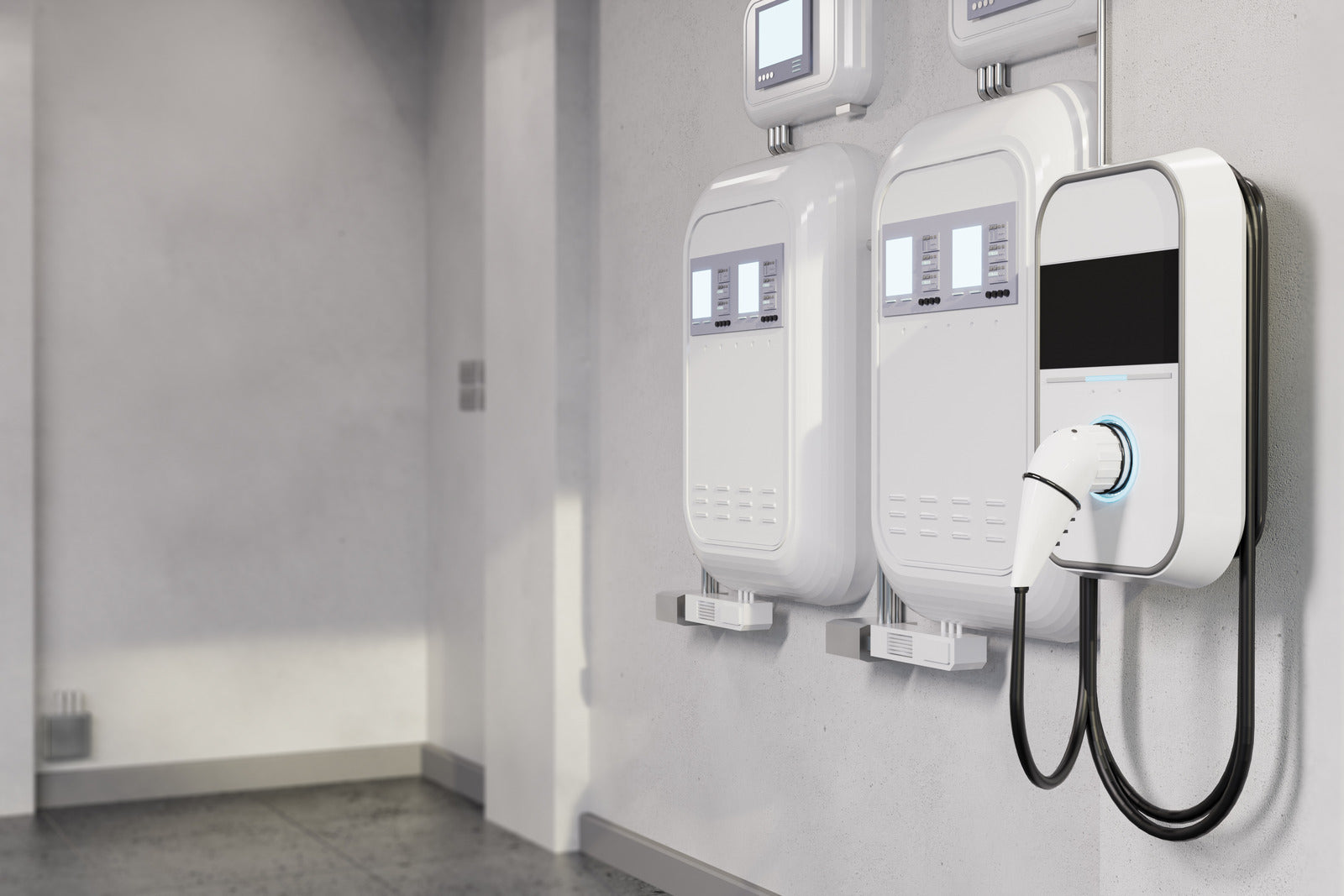
This blog post provides a comprehensive guide for Australians living in multi-unit dwellings who wish to transition to electric vehicle ownership. It outlines the logistical requirements for strata approvals, the technical differences between charging levels, and the strategic advantages of integrating chargers with renewable energy systems.
Here are the topics we cover:
- Navigating apartment body corporate approval processes.
- Selecting compatible home and smart chargers.
- Commercial benefits for landlords and property owners.
- Integrating chargers with solar and battery storage.
Electric vehicles account for 12.1% of new car sales in Australia, and this figure is likely to grow. Cleaner transportation is compelling, but installing EV chargers in Australia remains a challenge for those living in apartments and other multi-unit dwellings. Let’s take a look at what Australians living in multi-unit dwellings need to know about installing and using electric vehicle charging stations.
Can I Install an EV Charger if I Live in an Apartment?
Yes, it is possible to install an EV charger in an apartment complex, but it requires planning and approval. You need to communicate with your owners' corporation or body corporate about how it will affect common property and where the charger and necessary electrical upgrades would be located.
You will also need to determine where the energy source will come from. EV chargers in Australia are either connected directly to your electricity meter or the common infrastructure of the multi-unit dwelling.
How Do I Choose the Best EV Charger for My Home in Australia?
When selecting home EV chargers for apartments or multi-unit homes, consider these factors:
- Assess the available electrical capacity in your building to determine if your switchboard can handle the additional load or if an upgrade is needed.
- Decide on the type of charger that is compatible with your needs – a level 1 charger plugs into a standard wall outlet, while level 2 home EV chargers offer faster charging.
- Consider smart EV chargers, which allow you to manage your charging and track energy usage.
- Explore different brands and models, like the SolarEdge ONE EV Charger 22kW or Schneider 7.4kW Single Phase and 11kW/22kw Three Phase T2S Charging Station.
- Look out for weather resistance and durability.
What Are the Benefits of Installing EV Chargers for Businesses in Australia?
Commercial EV charging solutions are also gaining traction. For property owners and landlords of multi-unit dwellings, installing EV chargers in Australia offers significant benefits like attracting and retaining high-quality tenants who are willing to pay for a compliant, sustainable building.
This can give you a competitive advantage in the rental market and potentially increase property values. Some property owners monetise the charging stations by implementing a user-pay system, creating a new revenue stream.
Can EV Chargers Be Integrated with Solar Panels or Battery Storage Systems?
Electric vehicle charging stations can be integrated with a solar panel system as a cost-effective and environmentally friendly option. Set your home EV chargers to draw power primarily from your solar panels during the day, significantly reducing electricity bills. Adding a battery storage system can further enhance this benefit, allowing you to store excess solar energy and use it to charge your EV at night or during peak demand periods.
What Is the Difference Between Fast and Standard EV Chargers for Residential Use?
The table below helps you clearly understand fast and standard EV chargers.
|
Standard EV Chargers (Level 1) |
Fast EV Chargers (Level 2) |
|
Standard 10A wall outlet |
Dedicated 20A or 32A circuit |
|
Approximately 2kW |
7kW to 22kW |
|
10km of range per hour |
Significantly reduced charging times |
|
Plug-and-play (No special setup) |
Requires specialised installation |
|
Occasional or emergency use |
Primary home and workplace charging |
|
Low (Slow charging) |
High (Rapid, reliable charging) |
In summary, fast chargers require a specialised installation, but they offer much greater convenience for EV owners.
How Is Australia Expanding EV Charger Infrastructure for Electric Vehicles?
To grow the market for EV chargers in Australia, the New Vehicle Efficiency Standard has helped deliver more EV models; there are over 1000 fast-charging stations across the country. Fast and standard EV chargers are being installed across the country.
The National EV Strategy aims to improve access to charging infrastructure and accelerate EV adoption. The government has also created a strata residents toolkit to assist with the installation of home EV chargers.
Equip your home with smart EV chargers from BESS Australia to keep you moving sustainably. Shop now and experience the convenience of home charging!
FAQS
What are the primary power source options for an EV charger in an apartment complex?
Chargers in multi-unit dwellings are typically connected either directly to an individual's electricity meter or to the building's common infrastructure.
How does a Level 2 fast charger compare to a standard Level 1 wall outlet charger?
Level 2 chargers provide 7kW to 22kW of power and significantly reduced charging times, whereas Level 1 chargers provide approximately 2kW and only 10km of range per hour.
What financial incentives exist for landlords who install commercial EV charging solutions?
Landlords can attract high-quality tenants, increase property values, and create new revenue streams by implementing user-pay systems for the charging stations.