
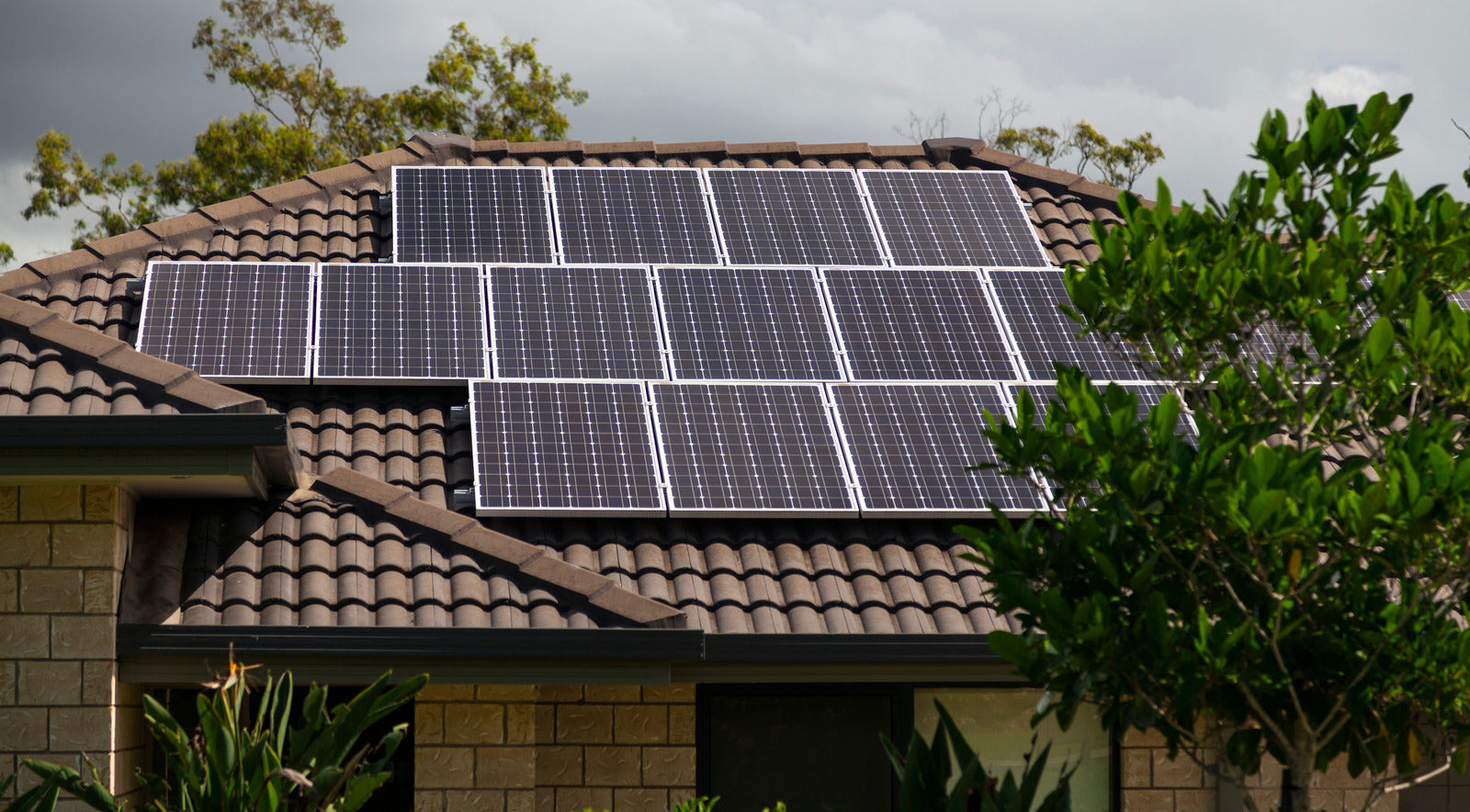
This blog post by BESS Australia explores the financial and technological landscape of solar energy in 2026. It highlights how rising electricity prices and smarter home integration have made residential solar systems a high-yielding investment, while detailing the importance of acting before federal rebates phase out.
Here are the topics we cover:
- Market trends driving solar adoption.
- Budgeting for installation and hardware costs.
- Strategic timing for purchasing solar systems.
- Long-term savings and investment returns.
With electricity prices continuing to fluctuate and the national grid transitioning rapidly toward greener alternatives, many homeowners are asking the same question: is now the moment to go solar? As renewable energy initiatives in Australia gain momentum, the technology behind residential solar systems in Australia has become more sophisticated and accessible than ever before.
Choosing to buy solar panels in Australia could be the best environmental and financial move for the modern household, but when is the right time for you? Let’s dive into the timing with BESS Australia.
Which market trends are currently affecting the need for solar panels?
Several key trends are driving the surge in rooftop solar panels Australia wide.
- Rising electricity prices are an excellent reason to invest in renewable energy in Australia.
- The cost of solar panels and the cost of labour for solar panel installation may also increase, making now the ideal time to get started.
- The integration of smart home technology means that home solar energy solutions now communicate directly with appliances to optimise consumption.
- The shift toward solar battery storage systems has matured, with more homeowners looking to achieve true energy independence rather than just daytime savings.
How much do solar panels cost in Australia?
Understanding the solar power system cost Australia involves more than just looking at the sticker price. In 2026, a high-quality 6.6kW system typically ranges from $5,500 to $9,000, depending on the hardware quality.
It is important to look carefully at your financial situation when deciding when to buy solar panels in Australia. To budget effectively consider the following:
- Hardware: Allocate a larger portion of your budget to high efficiency solar panels and premium solar inverter systems, as these components dictate the system's lifetime yield.
- Installation: Factor in the cost of a professional solar panel installation Australia experts provide, ensuring compliance with updated 2026 safety standards.
- Rebates: Always subtract the available solar rebate Australia incentives (such as STCs) from your gross cost to find your true out-of-pocket expense.
When is the best time to buy solar panels in Australia?
The best time to buy is usually as soon as possible to begin the payback period, but 2026 offers specific advantages. With manufacturing efficiencies at an all-time high, the cost per watt has stabilised. Purchasing before the gradual phase-out of certain federal incentives also ensures you maximise your solar rebate Australia benefits.
Installing during the autumn or winter months can also be strategic, as installation wait times are often shorter, ensuring you are fully operational before the peak summer production months.
Can solar panels reduce electricity bills in Australia?
Absolutely. By generating your own power, you reduce the amount of energy you need to purchase from the grid at retail rates. In 2026, the most successful households use load shifting, which is a way to run heavy appliances during the day when their rooftop solar panels in Australia are at peak production. When paired with a battery, you can virtually eliminate peak-hour charges, potentially saving a standard family thousands of dollars annually.
How long do solar panels last in Australia?
The best solar panels Australia has to offer are built to withstand our intense UV radiation and extreme weather. Most modern, high-quality panels come with a 25-year performance warranty. While the efficiency may degrade slightly over time, a well-maintained system can still be producing over 80% of its original capacity after two and a half decades.
Are solar panels a good investment in Australia?
Here’s why we, at BESS Australia recommend high efficiency rooftop solar panels in Australia as a worthwhile investment:
- Typical return on investment (ROI) period of 3 to 5 years
- One of the safest and highest-yielding investments for homeowners
- Monthly electricity bill savings
- A solar-equipped home often commands a higher resale value, as buyers prioritise energy-efficient properties.
Don't be plunged into darkness. Ensure your home is powered by the most reliable technology available. Find the best brands online with BESS Australia and secure your energy future today.